Eva Lynn Cheung — Senior Product Designer
I design the parts of a product where money changes hands.
Seven years in product design, currently on the growth team for Xodo at Apryse. Activation, purchase, and expansion for an end-user product with millions of installs.
- Based
- Ontario, Canada
- Authorised
- United States & Canada
- eva.lynn@hey.com
Selected results
- purchase conversion, up from ~10% Up from ~10%
- 32%
- Apryse · Xodo suite · 2026 Apryse · 2026
- clicks per task Clicks per task
- −2
- Apryse · Xodo for Windows · 2023 Apryse · 2023
- rate lift · 99.92% confidence Rate lift
- +99.79%
- HPE · Machine Learning Ops · 2020 HPE · 2020
2020–2026 · Seven projects
Selected work
Apryse · Xodo suite · 2026
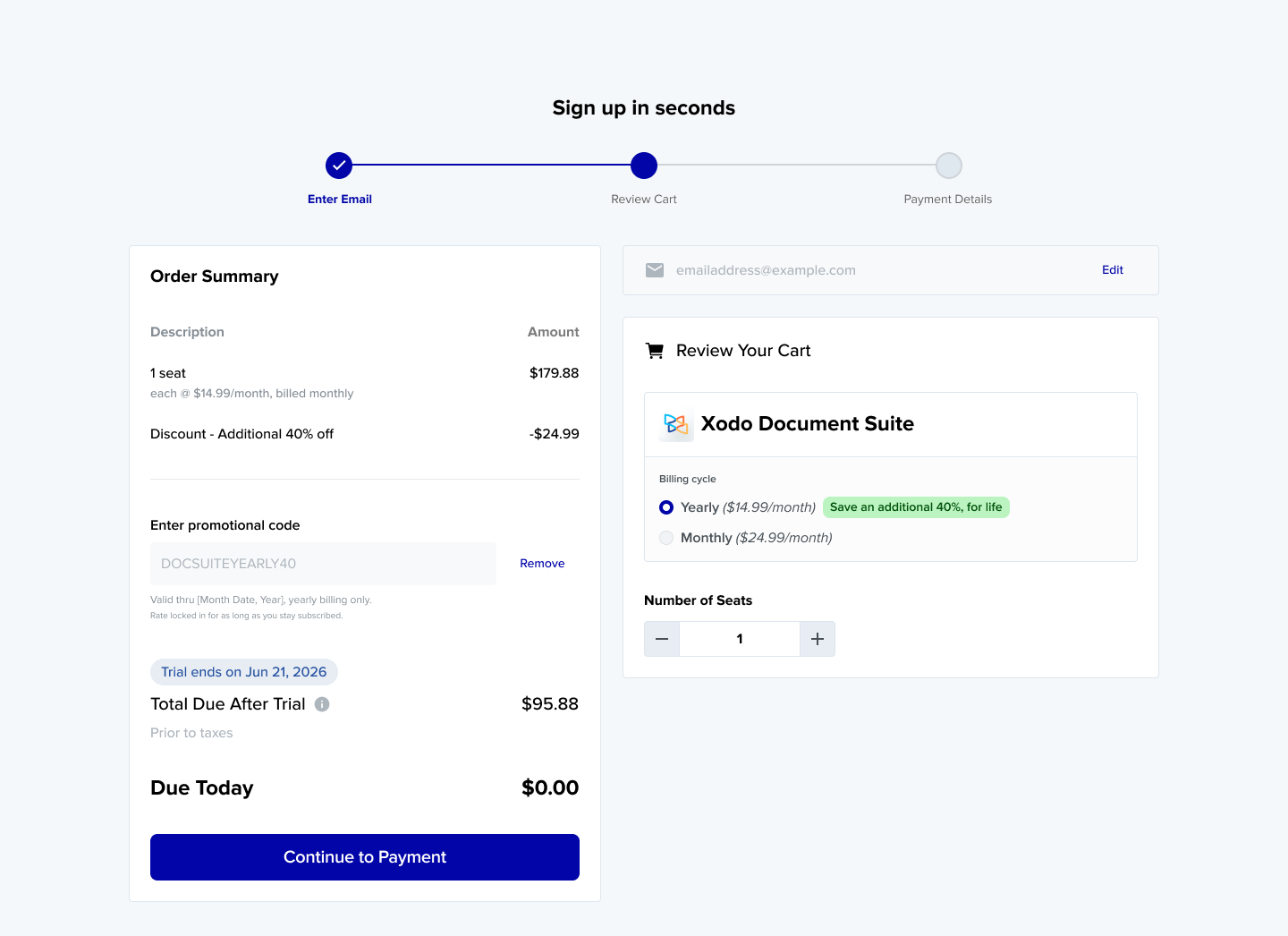
Rebuilding the checkout for the whole suite
Every product within the Xodo suite was sold through one shared checkout, which, upon analysis, we recognized as both a considerable point of risk and a meaningful opportunity for growth. To address this, we rebuilt the flow and tested a range of variations with internal stakeholders, and as a result, the share of users who ultimately completed a purchase more than tripled, driving a meaningful improvement to the overall purchase experience.
~10% to 32%
Shipped
-
Apryse · Xodo PDF Studio · 2026
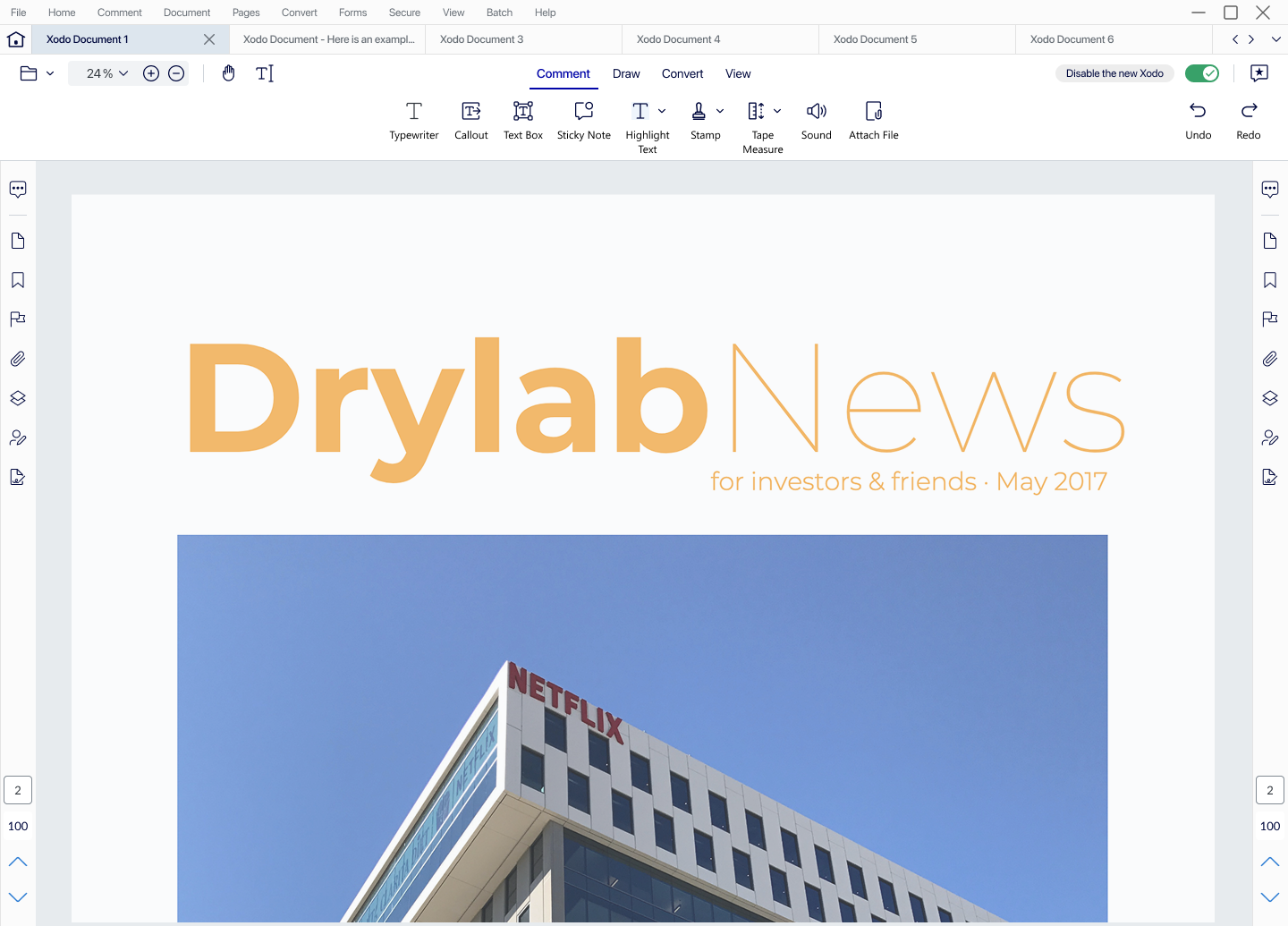
Modernising a legacy desktop app
To address this issue, we brought churn data to leadership in order to win the case for a full redesign; as a result, we designed it to fit within the existing legacy Java framework rather than pursuing a full re-platform, which could have been costly and time-consuming. Prior to release, we tested with users to help ensure the experience felt seamless and intuitive, rather than waiting until afterward.
3.83/5
MVP shipped · still iterating
-
Apryse · Xodo for Windows · 2023
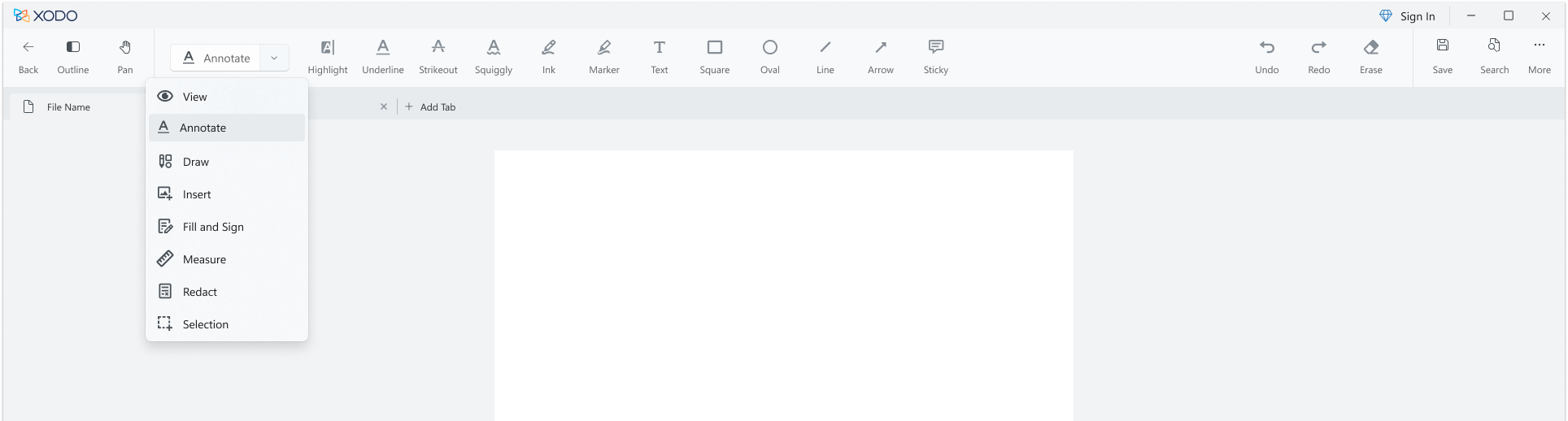
Redesigning a toolbar that hid its own tools
The native Windows toolbar showed nine icons and hid everything else behind an overflow menu. I made every tool visible, labelled and one click away.
−2 clicks
Shipped
-
Apryse · WebViewer SDK · 2023
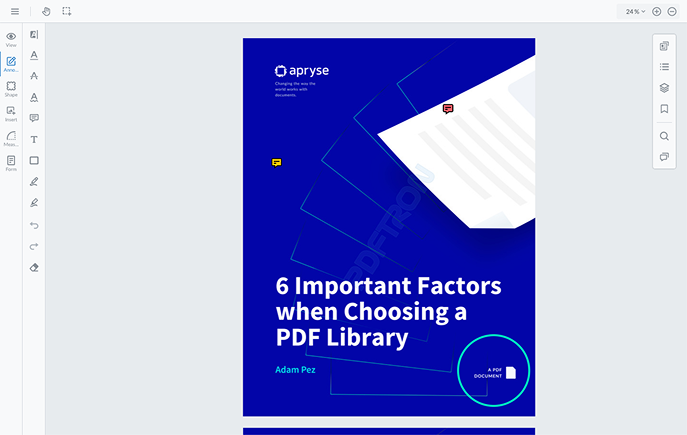
Making the SDK toolbar configurable
Prior to this initiative, the SDK toolbar was locked to the top of the window, which meant that a significant portion of customers had already rebuilt it themselves in pursuit of a more seamless and intuitive experience. To address this issue, we made the toolbar configurable and authored the guidelines that engineering ultimately shipped it from.
3% to 5%
Partly shipped · floating toolbars paused
-
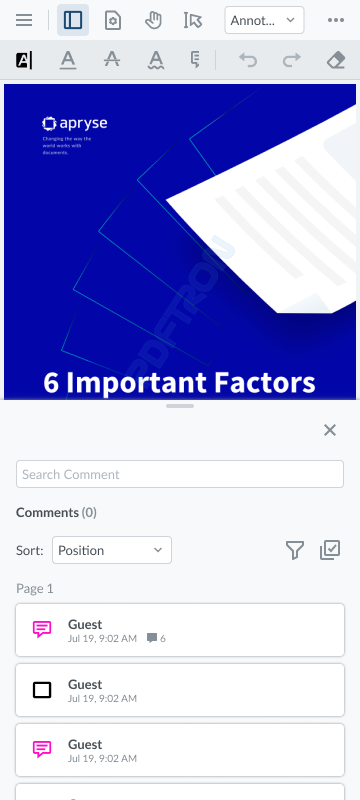
Apryse · WebViewer SDK & Showcase · 2022
Making WebViewer usable on a phone
Full-screen panels covered the document on mobile. I audited the SDK and the Showcase across three platforms and traced every urgent problem back to one component.
40 responses
Shipped
-
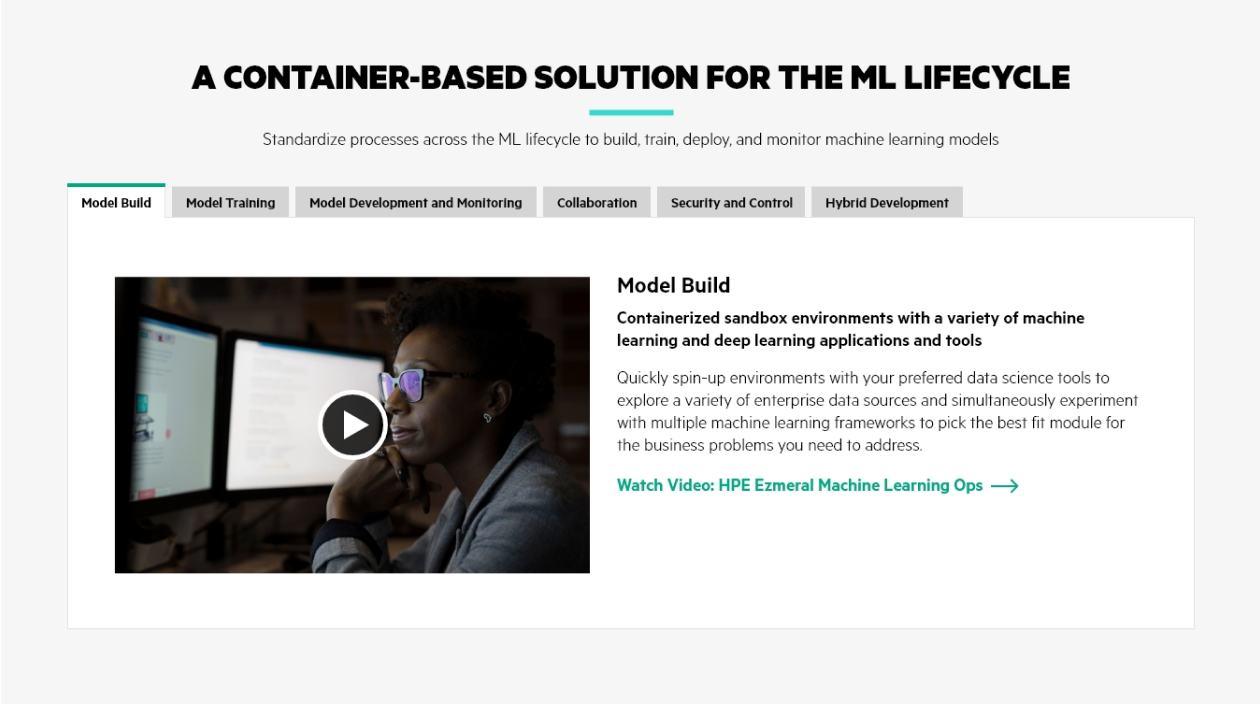
HPE · Machine Learning Ops · 2020
Replacing a carousel with tabs
Four category boxes on hpe.com all opened the same six-item carousel. I rebuilt the section on the design system’s tabbed module and tested it against the original on live traffic.
+99.79%
Shipped · still running
-
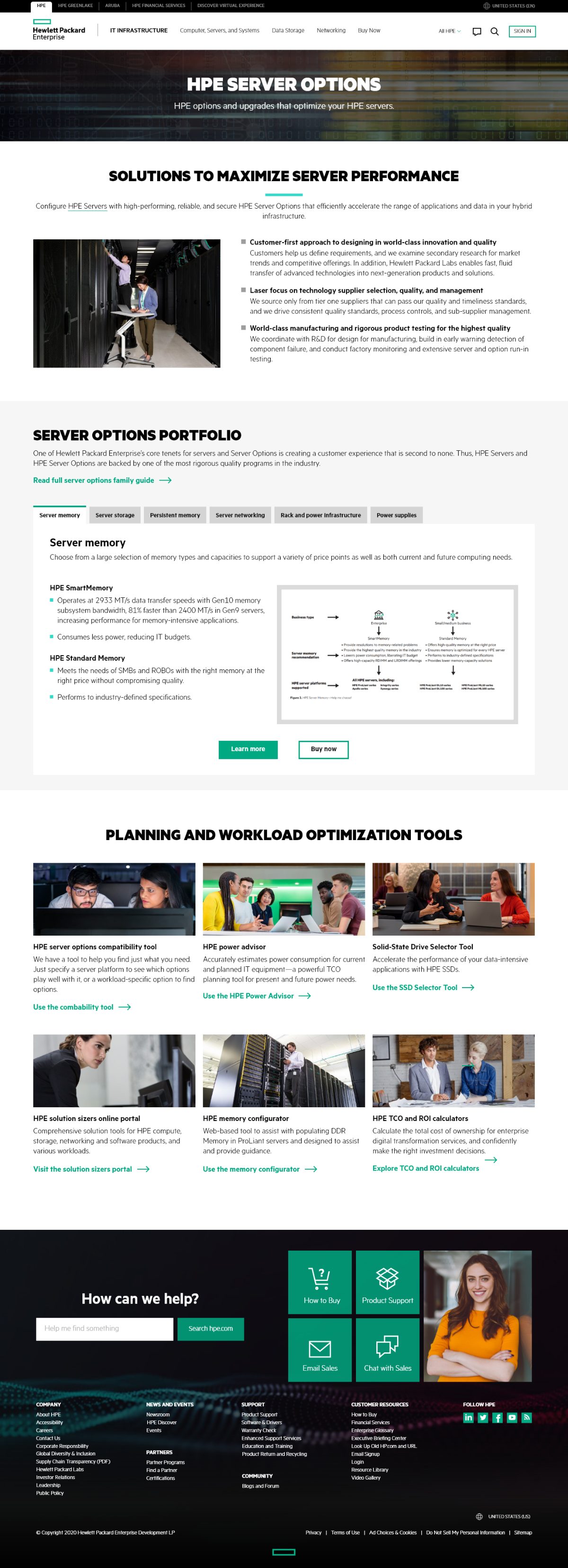
HPE · Server Options · 2020
Cutting a page down to one subject
A product page carrying nine blocks and no clear subject. I cut it back to server options and folded the whole portfolio into one tabbed module.
+46.22%
Shipped · four months of traffic
How I work with AI
I'm part of Apryse's internal AI team, and I use these tools as a partner on specific parts of my process, not a replacement for the process itself. What that looks like changes depending on what I'm working on, but the judgement always stays mine. When I say something is AI-assisted, it means the AI worked on something I'd already designed myself: a prototype built from my own high-fidelity screens, or copy tightened against a draft I wrote. It's not a shortcut past talking to users. If anything, it just means I get to more of them, sooner.
- Prototyping
- I can build something that behaves like a live app in under a day, so I'm able to validate a flow with real users in days instead of sprints.
- Research
- I use it to pressure-test a scoping document against its own goals and hypotheses, to find the gap I've missed. I also use it to transcribe and summarise session recordings, with timestamps, so I can go watch the moment myself instead of just trusting the summary.
- Copy
- I write warm by default, and I use AI to close the gap between my voice and the product's, so the interface reads as one consistent voice.
- Feasibility
- I use it to get up to speed on an unfamiliar stack fast enough to ask engineering a better question, sooner. This is exploration only. None of it ships.
Tools used
- Figma Make Prototypes, and animation references for developers
- Figma MCP Batch edits, recolouring and reorganising existing components
- Claude and Gemini Scoping documents, research analysis, UX copy, filling knowledge gaps
- Claude Code with AWS Bedrock Code feasibility experiments, never production
What I have not done
What I have not done: shipped a deep customer-facing AI product. The things I have shipped are a B2B PDF SDK and Xodo, a B2B and B2C SaaS suite: traditional software, built well. I use these tools daily enough to be useful on an AI product from the first week, and I would rather say that plainly than dress up a chatbot as a portfolio of one. I have also not built a design system from the ground up. I have maintained one, and I built an internal system for the Xodo desktop redesign so my own screens stayed consistent and the handoff was legible, but that is a smaller claim than owning a system, and I would rather make the smaller one.